The Diriyah Contemporary Art Biennale in Saudi Arabia unexpectedly continued a conversation that began in Bukhara. In this way, two historic cities became connected through a single route and a shared cultural tone.
For me, this story did not begin in Diriyah, Saudi Arabia, but in September, in Bukhara. It began with a contemporary art biennale entitled Recipes for Broken Hearts in Bukhara. The initiator and commissioner of the first Bukhara Biennial was Gayane Umerova, Chairperson of the Uzbekistan Art and Culture Development Foundation, thanks to whom the city became a venue for an international art event of this scale for the first time.
Any cultural event in this city resonates with particular clarity—set against its architecture, courtyards, and winding lanes. I wanted to see whether the biennale could withstand the city’s scale, its biography, its history. And it did. It did not try to outshine Bukhara or treat it as a backdrop. It became part of it. I had also come to encounter a city where my grandmother once lived and where my father spent his youth.
The very title—Recipes for Broken Hearts—felt moving from the start. Bukhara, to me, is a lyrical city, and “recipes for broken hearts” sounded natural there. Inside the biennale, I understood that I would not find quick consolation or decorative therapy. It was about how a lyrical, historically layered city can speak about trauma—through specific stories, voices, and living intonations. When I arrived in Riyadh, in Diriyah’s JAX District, I couldn’t help comparing its biennale with that of Bukhara.
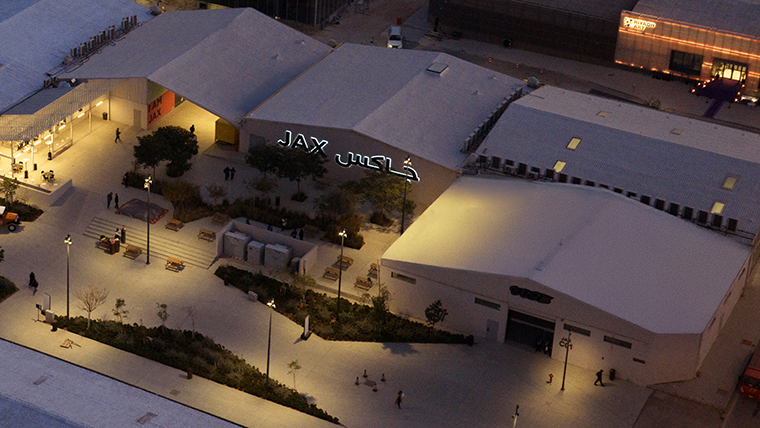
Photo by Alessandro Brasile.
Courtesy of the Diriyah Biennale Foundation.
The Cover. The Project “On Weaving”
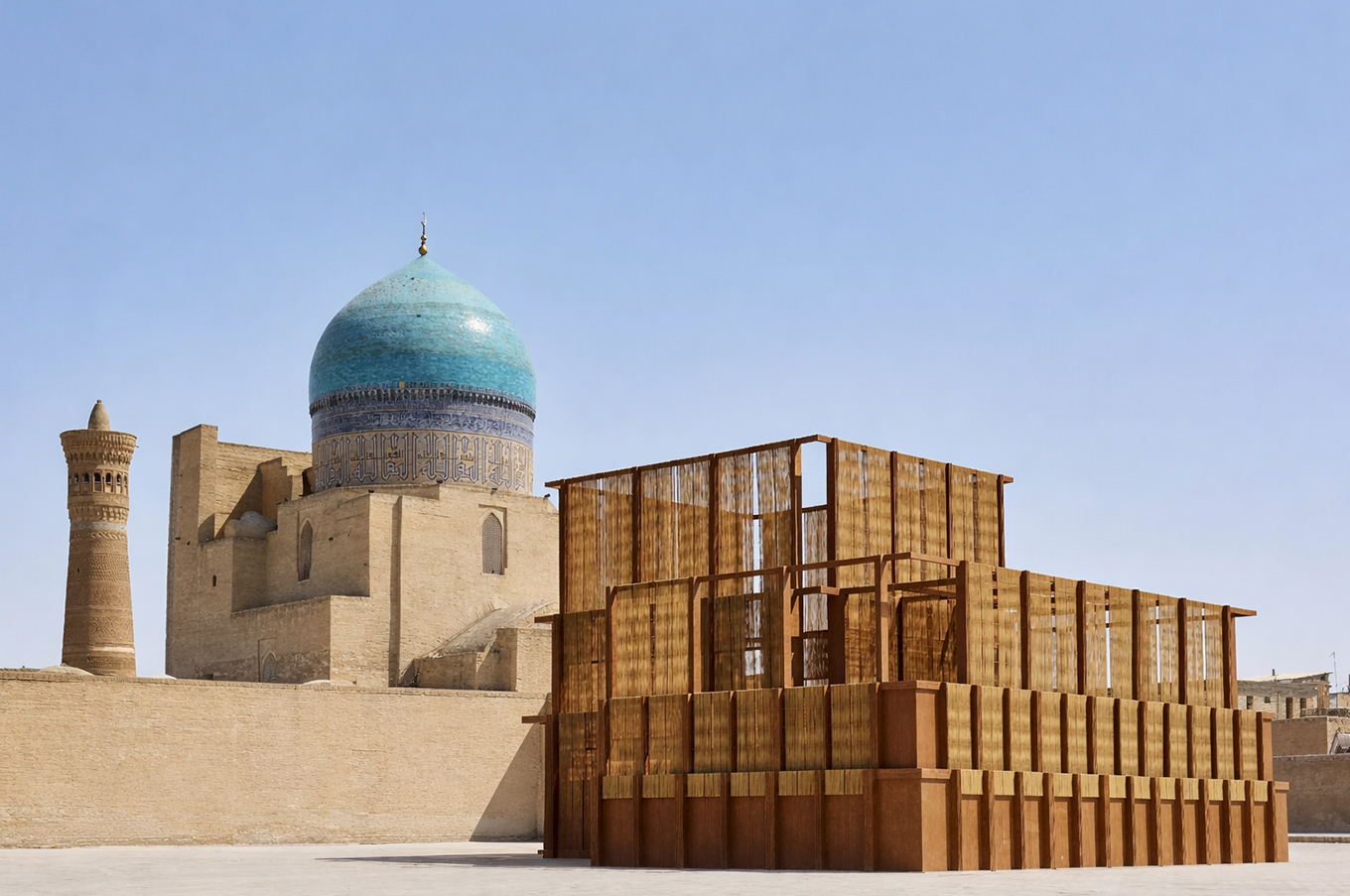
Several months before arriving in Riyadh for the biennale, when I first saw the musalla—a portable prayer structure glowing with warm light in the night—I already knew what would appear on the cover of the new issue of Travel + Leisure. The project On Weaving, winner of the international architectural award AlMusalla Prize 2025, was first presented at the Islamic Arts Biennale in Jeddah, at the Hajj Terminal of King Abdulaziz International Airport.
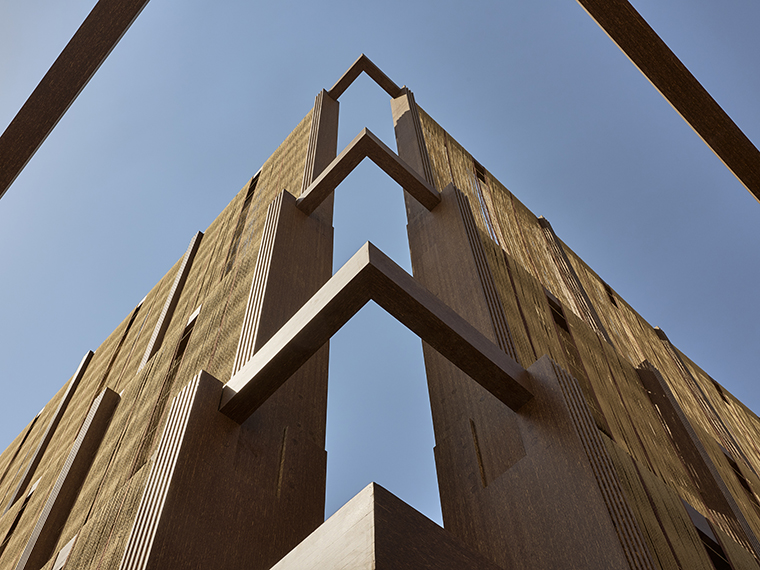
Photo: Vladimir Murudov.Courtesy of ACDF.
In Bukhara, it became one of the biennale’s key and most ambitious works. Created by EAST Architecture Studio, the modular musalla—constructed from reclaimed palm wood and woven fibers—is a space for prayer and contemplation that can be dismantled and reassembled. I chose it not for aesthetic considerations. I was drawn to the convergence of meanings it carried—craft, architecture, and the idea of journey. Photographer Vladimir Murudov captured that essence in his frame.
Diriyah, Saudi Arabia, January 30–May 2, 2026
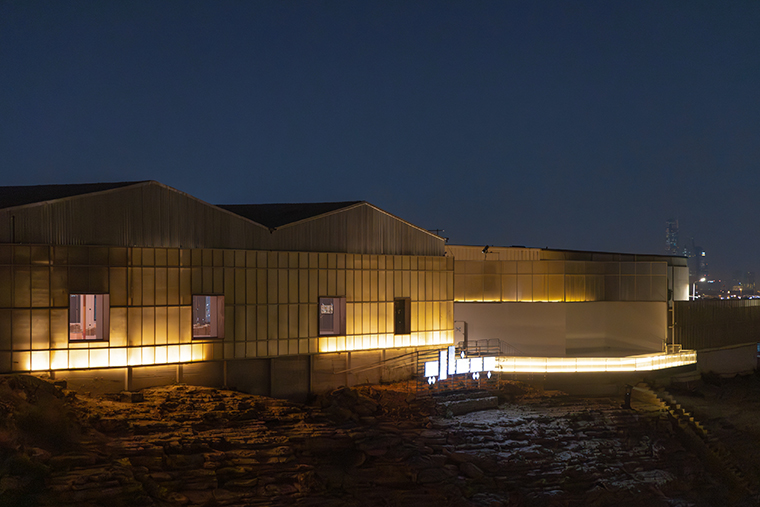
As I entered JAX District, I immediately felt the scale—high spans, industrial walls, vast volumes of air. Everything was structured differently from Bukhara. Here, it was not intimacy but amplitude. Yet the tone—the tone of movement—felt familiar.
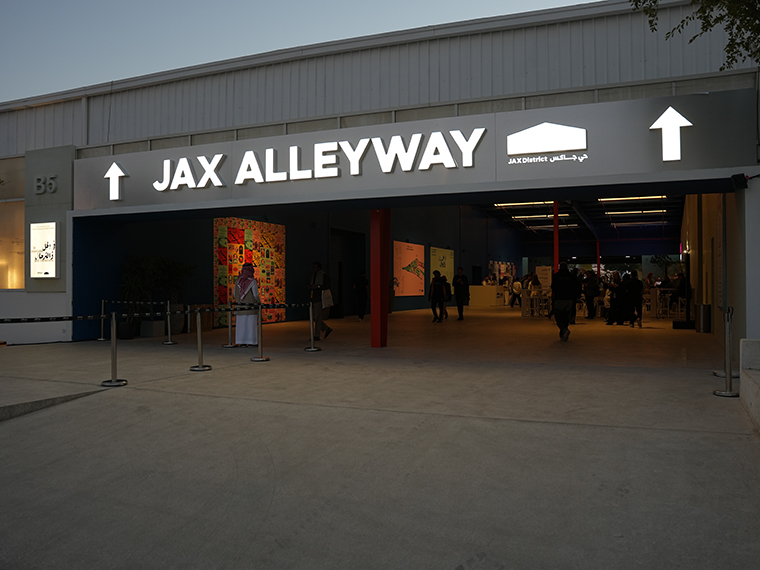
Photo by Alessandro Brasile. Courtesy of the Diriyah Biennale Foundation.
I moved between the pavilions. In one of them, Sabih Ahmed, the biennale’s Artistic Director, became our guide. Speaking calmly and without academic heaviness, he explained that the exhibition was structured as a series of “movements”—not sections, but transitions.
I completed a full circuit of the exhibition. Then another. The space conceived by the Italian designers Formafantasma truly draws you in—you do not move through the exhibits one by one; you enter a shared current.
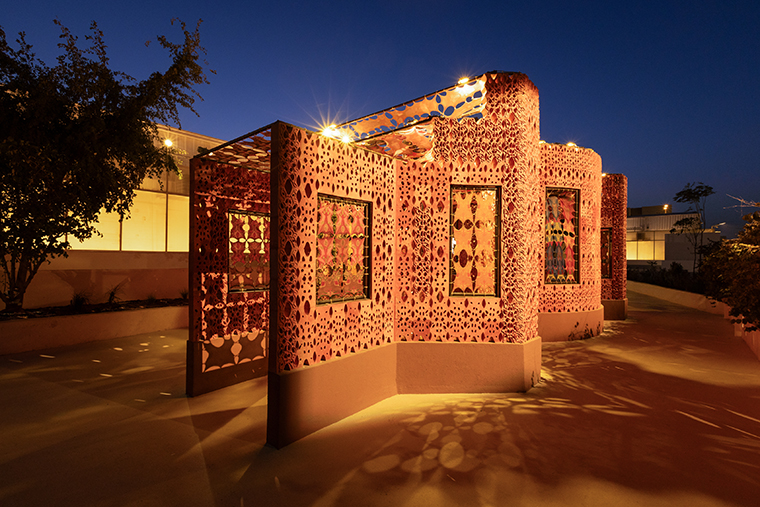
Photo by Alessandro Brasile. Courtesy of the Diriyah Biennale Foundation.
Throughout the exhibition, I found myself returning again and again to Yussef Agbo-Ola’s AGBA: 8 Stone Cave, installed outside the pavilions. Inside, soft music seemed to rise from the structure itself. I moved through sound, sat down, looked through openings and intricately woven lacework, and watched the light settle across the perforated brick framework. Within this installation I began to truly understand the curatorial vision. Here the biennale’s theme—In Interludes and Transitions—came together for me: you enter, pause, return, and leave slightly altered.
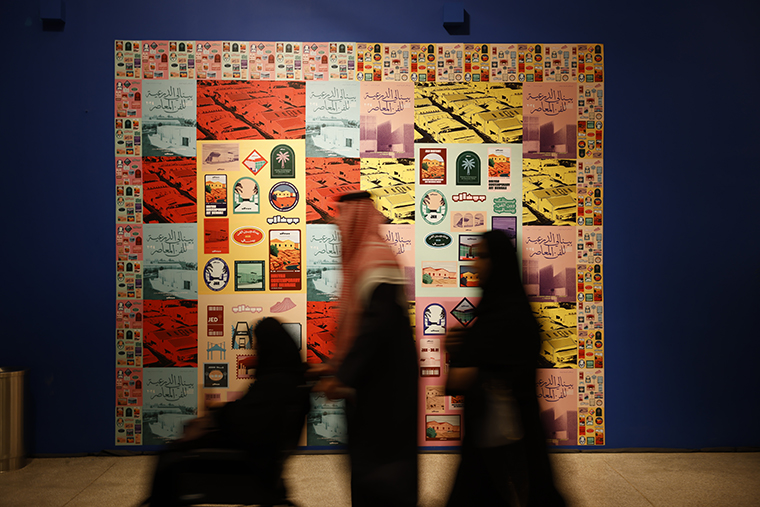
Photo by Alessandro Brasile. Courtesy of the Diriyah Biennale Foundation.
Concept and Context
Diriyah Contemporary Art Biennale was shaped by a strong curatorial team. Artistic Directors Nora Razian and Sabih Ahmed, together with international curators Maan Abu Taleb, May Makki, Kabelo Malatsie, and Lantian Xie, conceived the exhibition as a sequence of transitions. Architect Sammy Zarka translated that vision into a spatial route through which visitors move.
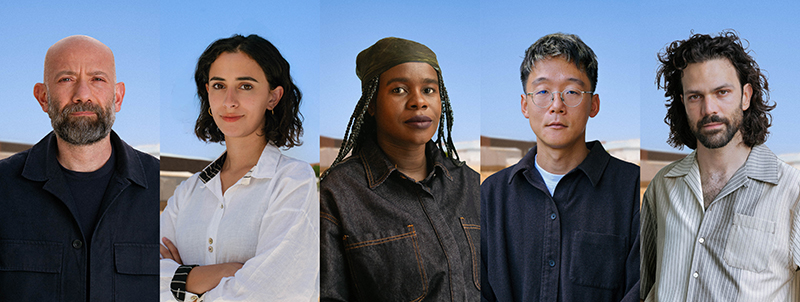
Photo courtesy of the Diriyah Biennale Foundation.
The title—في الحِلّ والترحال—In Interludes and Transitions—sets the conceptual direction of the biennale: the world understood as a continuous movement of people, ideas, and cultural forms. It is not about literal nomadism, but about how memory, rhythm, and language travel across winds, trade routes, and borders. In this context, art becomes a way to preserve continuity and continue the dialogue alive in periods of change.
The Diriyah Biennale Foundation, headed by Prince Badr bin Abdullah bin Farhan Al Saud, has become one of Saudi Arabia’s key art platforms over the past few years. The Foundation’s CEO is Aya Al-Bakri. The Foundation organizes a biennale of contemporary and Islamic art, develops educational programs, and is creating the JAX art quarter as a cultural hub, strengthening dialogue between the Kingdom and the international community.
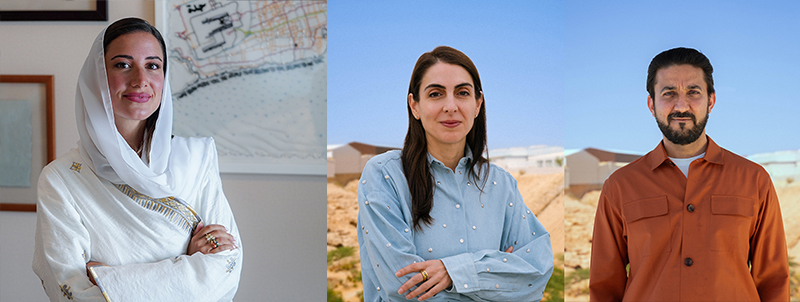
Photo courtesy of the Diriyah Biennale Foundation.
Between Bukhara and Diriyah
There is an invisible line between Bukhara and Diriyah—not geographical, but conceptual. Along it travel ideas, artists, rhythms, themes, and questions. If Bukhara showed me how art can be precise and restrained, Diriyah revealed how powerful and multilayered it can be. It was precisely this scale and convergence of artistic practices that Aya Al-Bakree spoke about at the opening— whose invitation brought me to Riyadh. She described the biennale as a meeting point for ideas, cities, and cultures: “This is the Foundation’s fifth biennale in five years, reflecting the diversity of artistic practices and a new phase in global cultural life, where more centers are receiving the recognition they deserve.” In that moment, I particularly realized that what I carried in my suitcase were not simply magazines, but a continuation of this route.
After the ceremony, I approached Aya Al-Bakri to introduce myself and tell her that I had brought to Riyadh a magazine featuring on its cover the very musalla project, On Weaving. Through these convergences—Bukhara, Jeddah, Diriyah, and a cover that had traveled its own path—the story unexpectedly came full circle. And the musalla project, with which my article began, once again found itself at the center of the conversation—this time here, at the biennale in Diriyah.
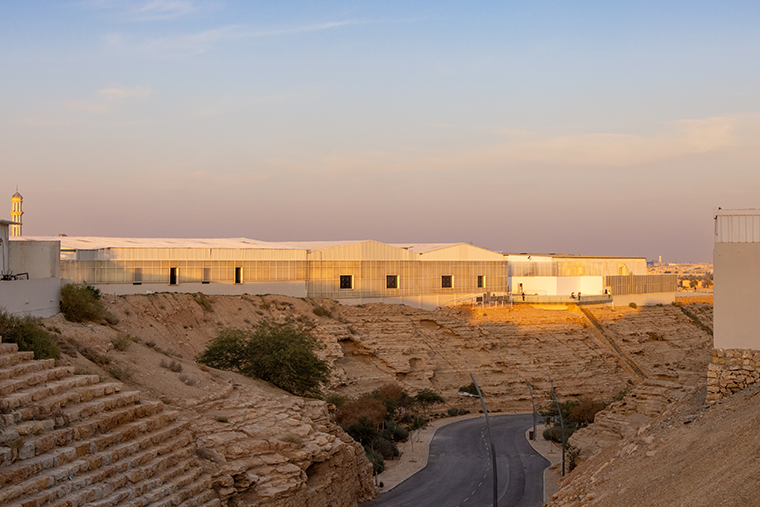
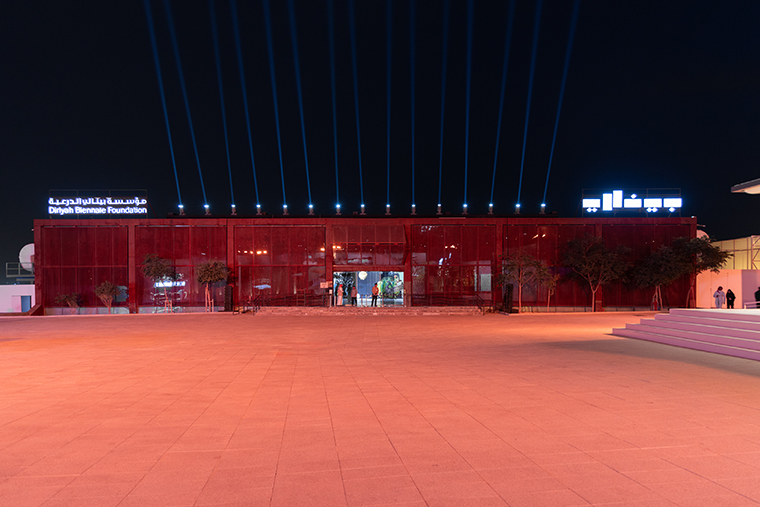
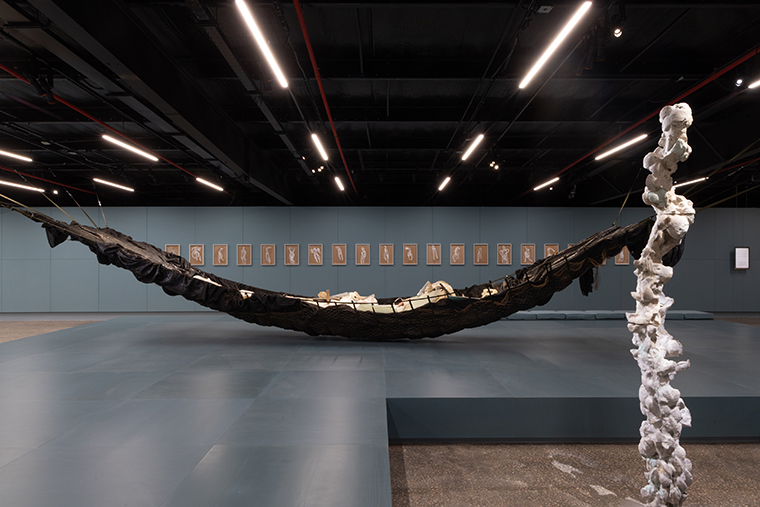
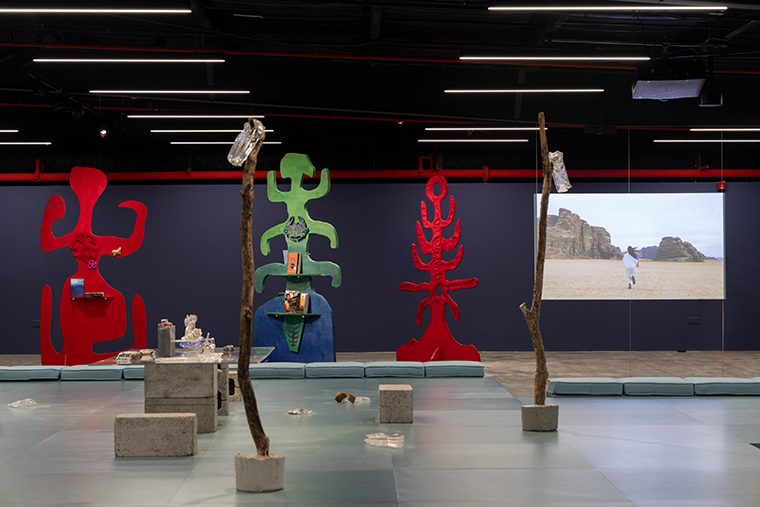
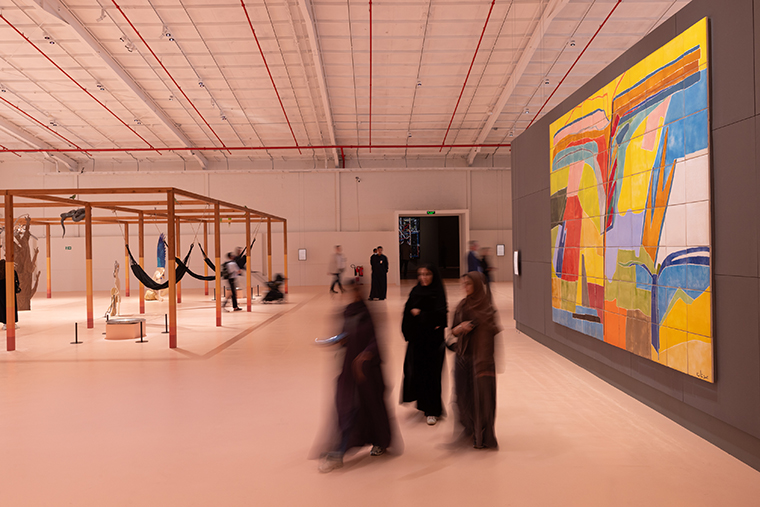
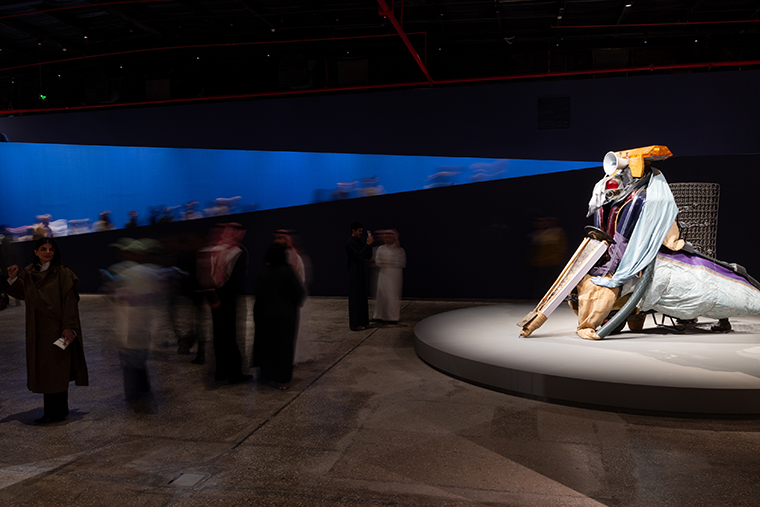
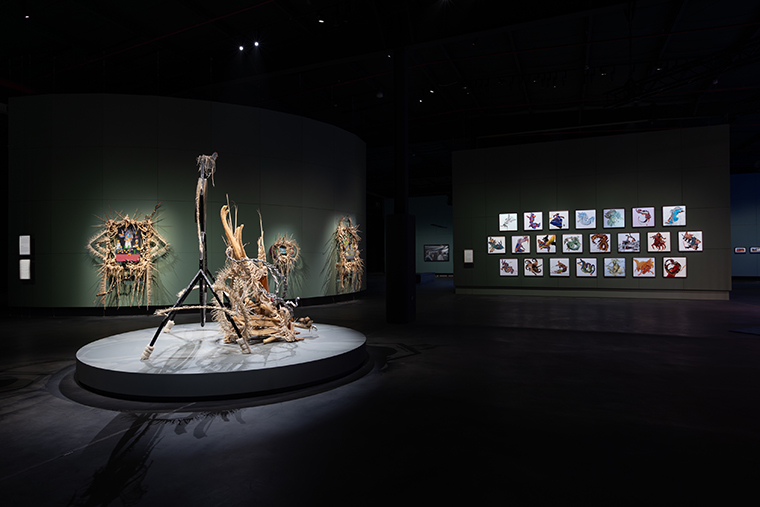
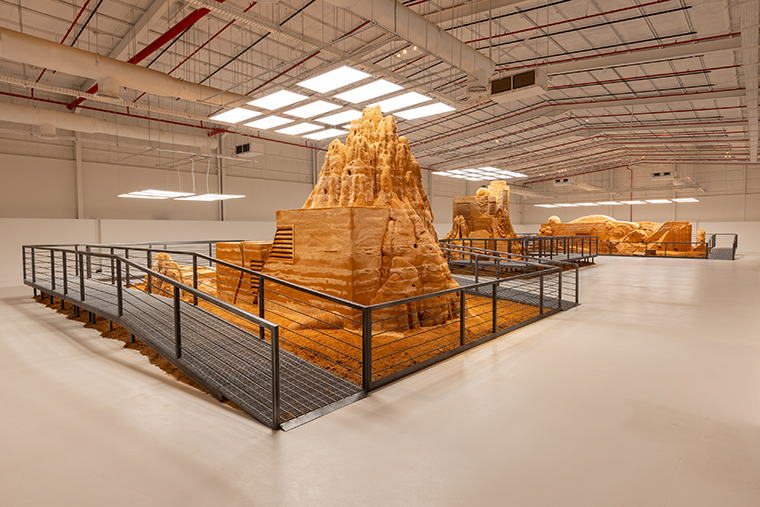
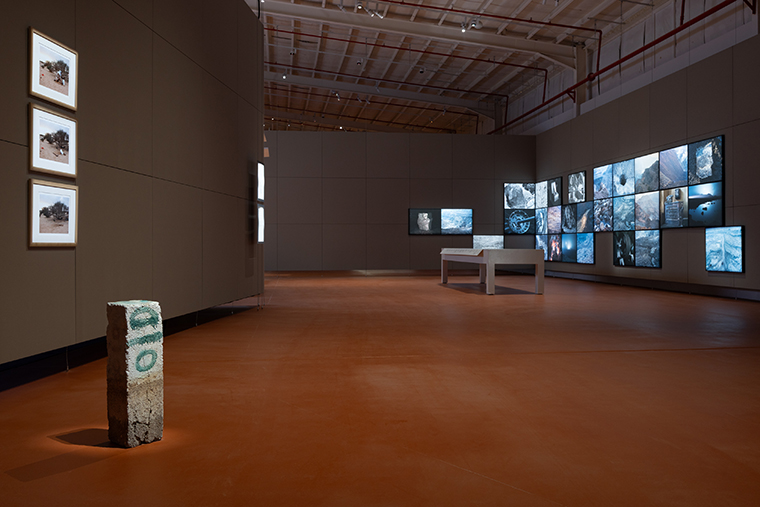
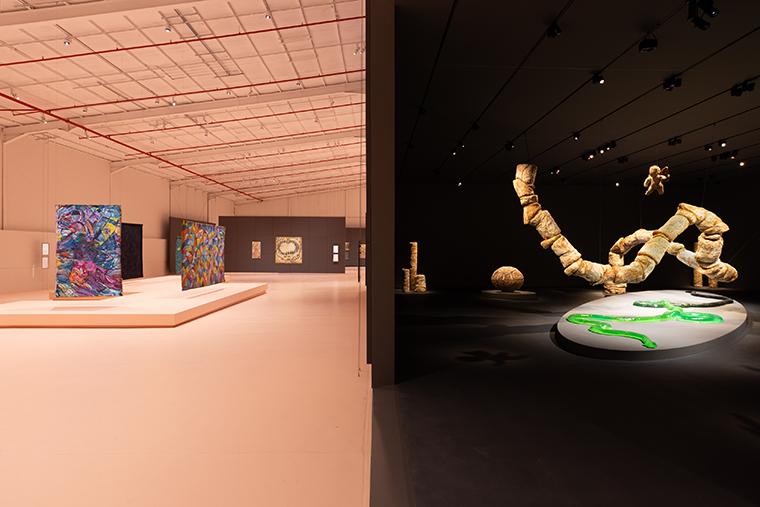
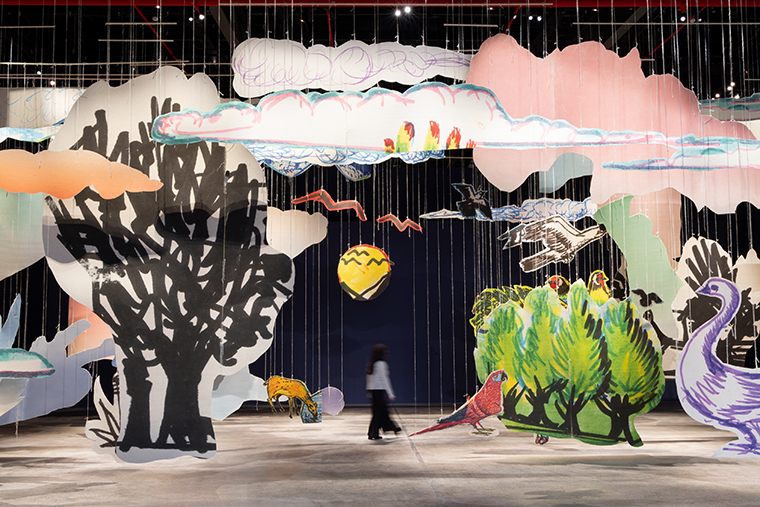
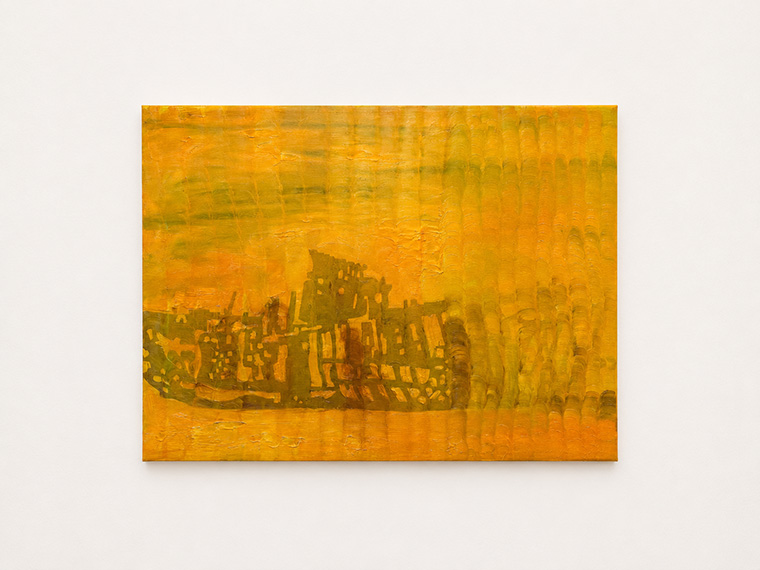
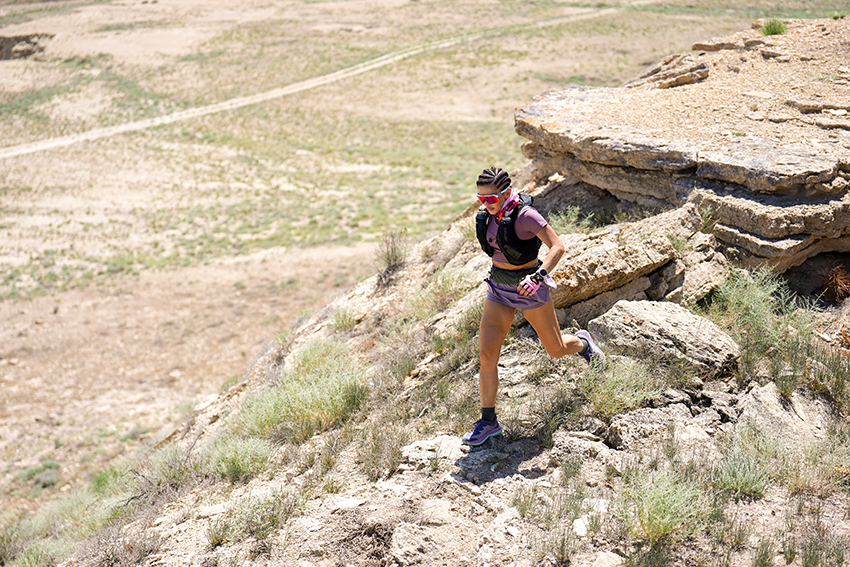
Works by Yu Ji (Jaded Ribs, 2019-21); Hasem Harb (Gause, 2023-24); Afra Al Dhaheri (Dining East or West, 2016/2026); Мюге Йылмаз ( Kybele, Tree of Life, 2020–25); Ахаада Аламуди ( The Run, 2025); Даниэля Отеро Торреса ( Echoes of the Earth, 2026); Этель Аднан ( Untitled, 2020/2024); Даниэля Линд-Рамоса ( Ambulancia, 2020 / 2022–23); Гуадалупе Маравильи ( Disease Thrower: Purring Monster with a Mirror on Its Back, 2022; La alegría del fuego, 2023; Popusa, 2023; El Boquerón, 2023; Una vez me salvó la vida un pez, 2024); Шадии Алем ( Transformation – Jinniyat Lar, 1996/2026); Тео Мерсье ( House of Eternity, 2026); Рами Аль-Ктами (Al Bitra, 2014); Sarker Protick (AWNGAR, 2024–26); Pacita Abad (Asian Abstractions, 1983–92); Nour Mobarak (Dafne Phono, 2024); Petrit Halilaj (Very Volcanic over This Green Feather, 2021).
Photo by Alessandro Brasile.
Photo by Alessandro Brasile.
Courtesy of the Diriyah Biennale Foundation.